


The art sector is among the most ignored and least supported. Why?

Aggiornamento: 1 dic 2021
If you ask someone abroad: "What makes you think of Italy?" they will generally reply, smiling and looking into the void, that the beautiful country immediately makes them think of good food and art all over the boot-shaped peninsula in every single city, from the largest to the small medieval village, from museums to the opera admired by all in such a square. It is well known that Italy is appreciated and recognized worldwide for its fashion, design, cars, culinary arts, and art.
In fact, our artistic heritage is one of the most appreciated, and largest in the world.
We can proudly boast of well over 3,400 museums, about 2,100 archaeological areas and parks, 55 UNESCO sites, and 61 protected by the FAI. These are places that encompass centuries of history, culture and traditions, and whose value goes far beyond their beauty.
Yet not enough is invested in the art sector. This field is increasingly undervalued and forgotten, and almost taken for granted. We do have the greatest artistic and cultural heritage, but we do not take enough care of it, as if just owning it is enough, but it should be preserved and valued and above all, maintained.
What does it mean to "valorize" artistic and cultural heritage? By definition, valorization <<consists of the exercise of functions and the regulation of activities to promote the knowledge of the cultural heritage and ensure the best conditions for its public use and enjoyment>>.
Article 9 of our Constitution says: The Republic promotes the development of culture and scientific and technical research. It protects the landscape and the historical and artistic heritage of the nation.
In spite of this, many historical sites of great cultural value have been abandoned to their own devices, while they are in need of restoration. We are talking about gardens, villas, churches, abbeys, and many other places with immense potential that seem to be forgotten.
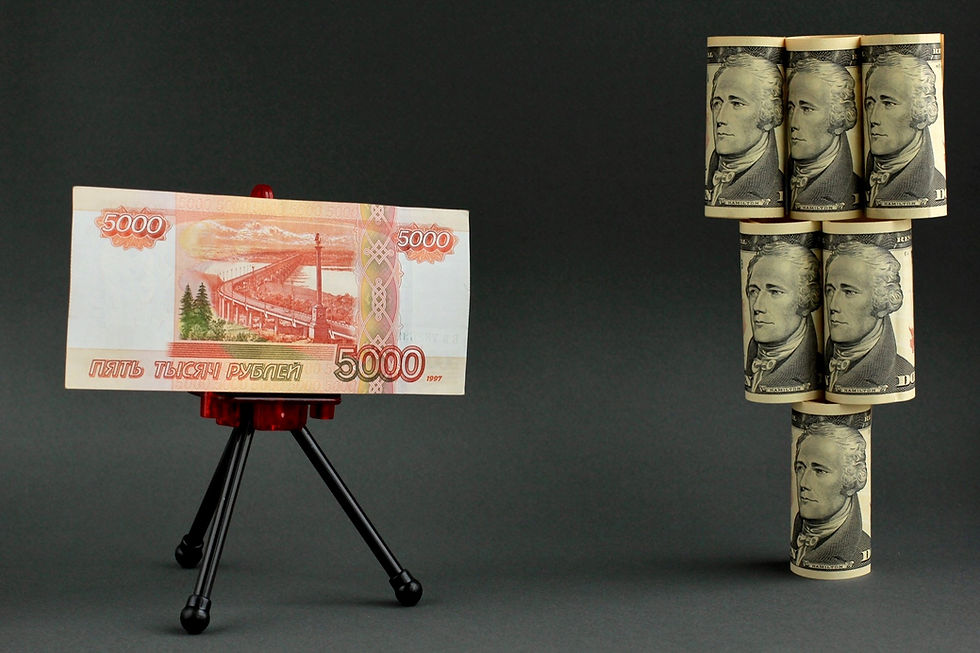
Research has shown that Italy is among the countries that allocate the least funds to art and culture. According to the affaritaliani.it website, already 10 years ago the United States, with half as many sites as Italy, had a commercial return equal to 16 times that of Italy. The return on cultural assets in France and the United Kingdom was between 4 and 7 times that of Italy. In view of the richness of Italy's cultural heritage, compared to the foreign countries examined, there is enormous untapped potential for growth.
This is a great pity, as these sectors are extremely important because they significantly impact a country's economy and employment rate. In fact, they have been hit hardest during the pandemic, which has put many jobs at risk, especially in the big cities.

Investing in art also means creating value, doing business, sustaining the nation, and supporting the growth of the individual. But you have to look at the long term. It is true that investing in the restoration of an artistic work or an archaeological site takes time, but these are winning investments that in the long term have an economic, cultural, and social impact, because restoring and enhancing sites, places, and works of art, for example, creates new exhibition areas, new exhibitions, galleries, publications, awards, culture and therefore jobs for people in the sector, and consequently profit.
However, in my opinion, it is not only a question of profit.
What is the point of investing in art and culture? What is the use of these sectors?
Art and culture are two related sectors and with the crisis, we are experiencing all over the world, and therefore not only in Europe or Italy, they are necessary to enrich our daily lives.
Art and culture, both help us in their own way to understand the changes both personal and around us that we face every day in our lives, and stimulate the ability to create our own personal taste, a capacity for criticism and understanding of history, and the beauty that surrounds us.

Art and culture are nourishment for our minds, which should be hungry for knowledge, changes, and driven by the desire to rediscover beauty.
Instead, our minds are increasingly imprisoned in a state of social, political, and cultural immobility and characterized by a complaining attitude that too often affects us.

.